
Work and Mornings4 min read
Perimenopause Sleep Problems While Periods Are Still Regular
Regular periods do not explain or rule out every sleep symptom. Learn what to record and what to ask before assuming the cause.
Read article
Wind-Down · 4 min read
A simple evening sequence can make bedtime less busy. Choose calming steps that fit your life, without treating the routine as a cure.
By Her Again · Published October 25, 2026

A 30-minute wind-down routine menopause sleep exercise is a small transition from the busy part of the day toward bed. It gives ordinary tasks a quiet place to happen. It does not guarantee sleep or treat the cause of night sweats.
The NHS recommends regular sleep routines and relaxing activities as part of menopause self-care. The exact thirty-minute sequence here is Her Again's practical format, not a clinically validated protocol. Use less time if that fits your evening better.
Start by removing tasks, not adding them. If you are sorting work, dishes, laundry and tomorrow's schedule right up to bedtime, choose one thing that can wait. The routine should not become another job you must finish perfectly.
You may already have a quiet activity you enjoy. Reading a few pages, listening to something calm or sitting in a comfortable chair can be enough. There is no required breathing count or special product.
Put aside work messages if your responsibilities allow. Write down tomorrow's essential task, then leave the note where you can find it. This is practical organization, not a treatment for stress.
Adjust light so the space feels comfortable while still safe. If you use a phone for music or an alarm, you do not have to remove it completely; choose whether notifications or scrolling make the evening feel busier.
If you work shifts or care for someone, your routine may happen at an unusual hour. Think of it as a transition before your main sleep period, not a rule tied to a clock.
Change into sleepwear that feels comfortable. Set a dry top nearby if you often wake sweaty. Check the bedding layers and make sure water or other ordinary essentials are within reach.
If you want to adjust temperature, try a few degrees cooler than where you are now, toward your own comfort range. You do not need a cold room. For more choices, use the bedroom audit.
Do not turn this step into a search for the perfect setup. One convenient change is enough tonight.
Read, listen or rest in a way that feels calm to you. Gentle movement may feel pleasant if it is comfortable and safe for you, but you do not need to follow a prescribed sequence from this article.
If a worry keeps returning, jot down a brief note for tomorrow. If writing makes you more alert, skip it. The point is choice, not compliance with a strict ritual.
When you feel sleepy, go to bed. You do not have to stay awake to finish the full thirty minutes.
That does not mean you did the routine wrong. Sleep difficulty can persist even when habits are thoughtful. NHS insomnia guidance explains sleep-habit advice and when ongoing problems need help.
Tell your doctor how often sleep breaks up, whether you have sweats and how the next day is affected. Ask about HRT and non-hormonal options where appropriate, as well as help for insomnia. The routine can sit alongside care, not take its place.
After a few mornings, ask whether the sequence was easy to repeat. Did it reduce searching for things? Did it make the evening less rushed? Those practical benefits are worth noting even if your sleep did not change.
Try one adjustment rather than making the routine longer. A four-week observation plan can give your notes a structure without promising results.
Choose the most useful step: putting work aside, preparing a dry top, or sitting quietly. The duration is flexible.
Consistency may make a habit easier, but missing an evening is not a failure. Keep the plan realistic.
Educational information only, not medical advice. Talk to your doctor about your own symptoms and treatment options, including HRT and non-hormonal options.
Explore Her Again’s educational ebook and journal with The Night Reset Collection — $47 one-time, with permanent access to your purchased files. The Complete Night Reset Blueprint — $97 one-time — adds the private interactive four-week Blueprint and initial 30 days of Ask Her Again AI, up to 100 messages. No lifetime AI access and no automatic subscription.
All purchases of the $47 Night Reset Collection and $97 Complete Night Reset Blueprint are final sale and nonrefundable, except where refunds are required by applicable law or the payment platform’s policies.
Regular periods do not explain or rule out every sleep symptom. Learn what to record and what to ask before assuming the cause.
Read articleA few morning notes can help you describe your nights. Track symptoms and context without scoring yourself or trying to diagnose a cause.
Read article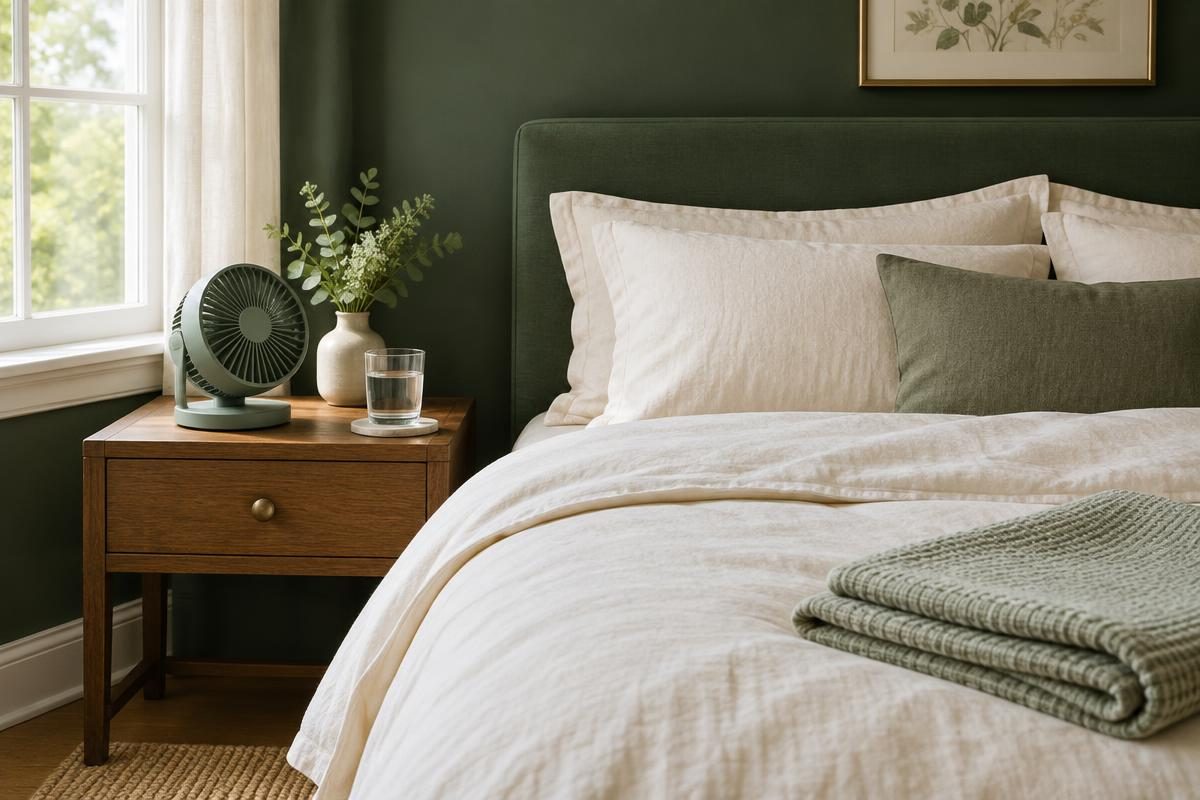
Keep dry clothing and a few ordinary essentials within reach. This comfort kit reduces searching, not the underlying cause of night sweats.
Read article